Journal ·
One Piece, One Certificate: How Amber Certification Works
One piece, one certificate: what a unique certificate number means, how it can be checked, and why independent re-testing matters.
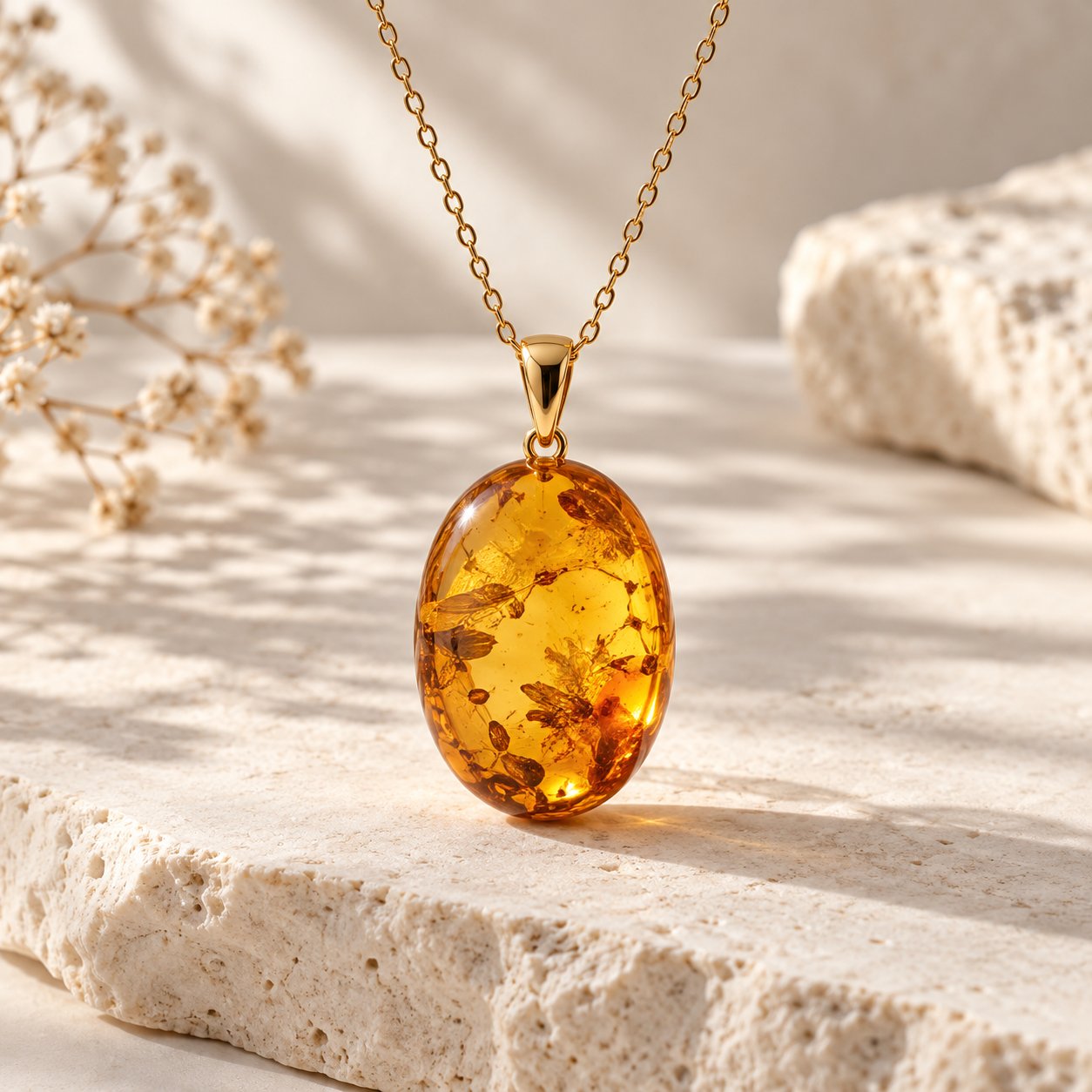
A certificate is meant to answer a simple question: is this piece what it claims to be? The system works best when one certificate belongs to one piece, and nothing else.
One Piece, One Number
Under a one-piece, one-certificate approach, each certified piece is linked to a single, unique certificate number. That number should not be reused for another piece, and the details on the certificate — such as the type of material and the main features of the piece — should match the item in your hand. If the paperwork and the piece do not line up, that mismatch is worth checking before you buy.
How Independent Checking Works
A laboratory certificate is useful because it comes from testing, not only from a seller's description. The laboratory examines the material and records its findings, so a buyer can compare the certificate with the piece itself. You can also use the verification website printed on your certificate card to confirm that the certificate number exists and matches the record shown there.
Why Re-Testing Is Possible
Because the certificate is tied to a single piece, that piece can in principle be checked again by another qualified laboratory. Independent re-testing gives a second opinion and helps resolve doubts. Keep the certificate with the piece, note its number when you receive it, and treat any certificate that cannot be verified as a reason to pause and ask for more information.